
Deep Dive into Canada’s Post-Graduation Work Permit (PGWP): Avoiding Common Pitfalls and Mastering New Policy Requirements
For the vast majority of international students in Canada, the Post-Graduation Work Permit (PGWP) serves as a critical bridge to permanent residency. However, even applicants familiar with basic eligibility criteria may face obstacles by overlooking subtle nuances within the internal assessment standards of Immigration, Refugees and Citizenship Canada (IRCC). According to internal operational instructions used by IRCC officers, the success of an application often hinges on details that are frequently neglected, including the precise application window, the calculation of study permit validity, the accurate declaration of Designated Learning Institutions (DLIs), and proof of continuous full-time student status. Furthermore, with the implementation of new policies on November 1, 2024, language proficiency scores and field-of-study requirements have become new focal points for review. This article combines internal immigration documents with the latest policy updates to comprehensively outline the critical factors applicants must consider when applying for a PGWP, helping to mitigate risks and improve approval probabilities.
02/14/2026

IRCC Confirms Freeze on PGWP-Eligible Field of Study List for 2026
Immigration, Refugees and Citizenship Canada (IRCC) officially confirmed on January 15, 2026, that it will freeze the list of educational programs eligible for the Post-Graduation Work Permit (PGWP) for the entirety of 2026, with no updates or adjustments scheduled. This means that for the remainder of the year, there will be no additions or removals to the existing list of eligible fields. Previously, the government had indicated in 2025 a plan to overhaul the list in "early 2026," but the latest announcement indicates this plan has been put on hold. For international students currently planning to apply for a PGWP, this policy shift provides increased certainty.
01/16/2026
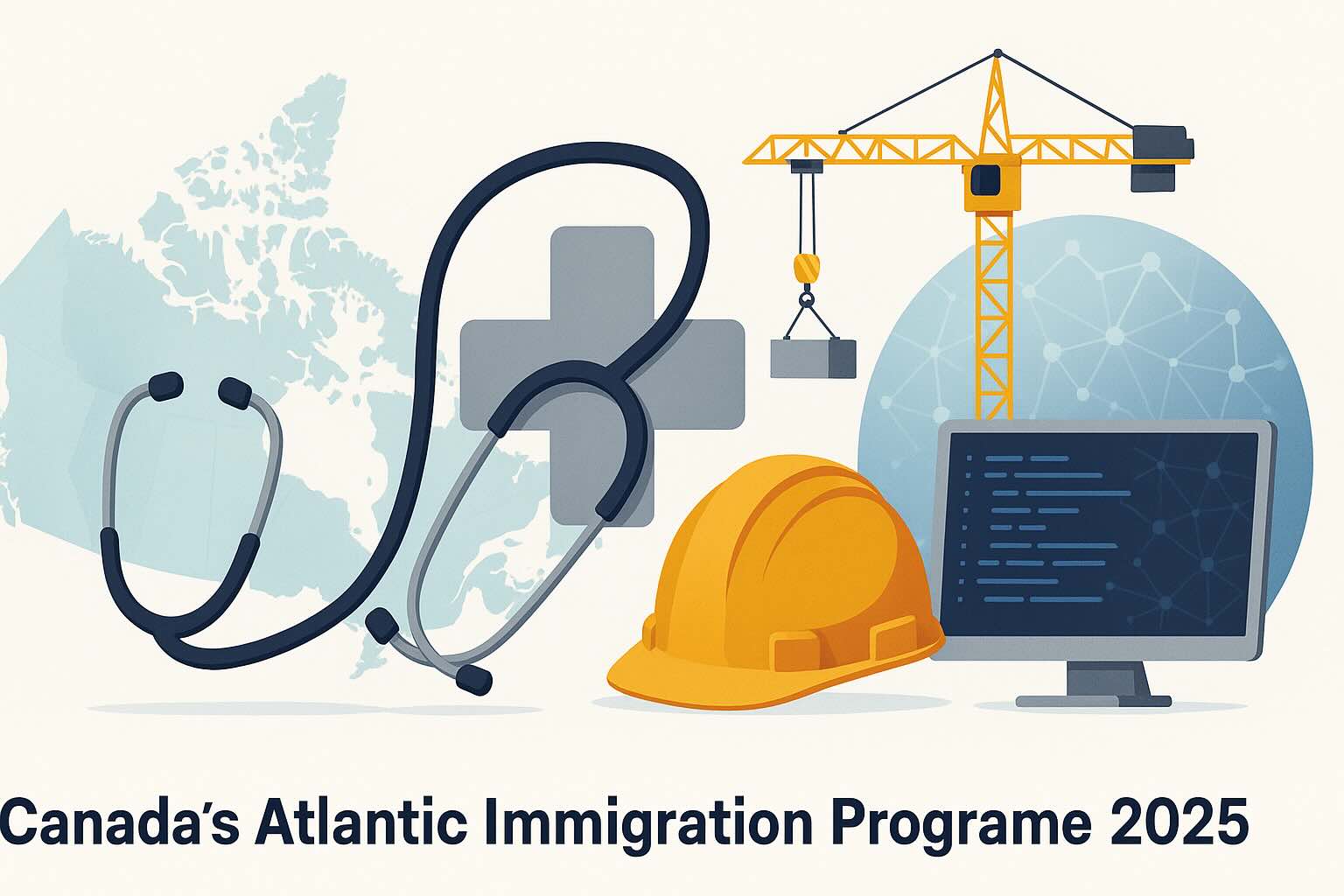
Canada's Atlantic Immigration Program: 2025 Updates See Provinces Prioritize Key Sectors and Occupations
In 2025, Canada's Atlantic Immigration Program (AIP) is entering a new strategic phase due to adjusted federal immigration allocations. To manage reduced quotas, the four Atlantic provinces are concentrating their resources on key sectors vital to their local economies. Healthcare, construction, and information technology have become focal points for attracting talent. This report provides an in-depth analysis of the latest priority sectors and occupations for each province, examines the alternative pathways available in New Brunswick following its AIP pause, and offers authoritative guidance for applicants planning to immigrate through this program in 2025.
08/21/2025

Focusing on Labour Market Needs: Newfoundland and Labrador's Latest Immigration Draw Targets 359 Candidates
On July 10, 2025, Newfoundland and Labrador's Office of Immigration and Multiculturalism (OIM) issued 359 Invitations to Apply (ITAs) for provincial immigration to foreign nationals. Spanning both the Provincial Nominee Program (NLPNP) and the Atlantic Immigration Program (AIP), this draw explicitly requires candidates to hold a job or job offer from a local employer and prioritizes professionals in key fields like healthcare, information technology (ICT), and aquaculture to meet the province's urgent labour market needs.
07/25/2025

Newfoundland and Labrador Continues EOI Invitations Amidst Allocation Adjustments
Newfoundland and Labrador issued 328 Invitations to Apply (ITAs) on May 8, 2025, in its second round of draws through the new Expression of Interest (EOI) system. This system, implemented on February 19, 2025, manages candidates for both the Provincial Nominee Program (NLPNP) and the Atlantic Immigration Program (AIP). Despite facing an initial halving of its federal nomination allocation, the province successfully secured additional spaces, enhancing opportunities for prospective immigrants.
05/20/2025

Prince Edward Island Updates Atlantic Immigration Program: Designates 20 New Employers, Focuses on High-Demand Sectors
Prince Edward Island (PEI) announced on May 15, 2025, an update to its list of designated employers under the Atlantic Immigration Program (AIP). This revision includes the addition of 20 new businesses and the removal of 14 previously recognized employers, bringing the total number of designated employers in the province to 364. Notably, due to reduced federal immigration allocations for 2025 and a high volume of applications, PEI is currently prioritizing applications from workers in high-demand sectors such as healthcare, construction, and manufacturing.
05/19/2025

Unlocking the Career Door for International Students in Canada: Essential Guide to Applying for the Post-Graduation Work Permit (PGWP)
For many international students aspiring to work and settle in Canada, obtaining a Post-Graduation Work Permit (PGWP) is a crucial first step. Immigration, Refugees and Citizenship Canada (IRCC) clearly states that PGWP eligibility hinges on studying at a qualified Designated Learning Institution (DLI) and enrolling in a PGWP-eligible program. Notably, beginning November 1, 2024, graduates at certain study levels will face new language proficiency and field of study restrictions. This report provides a detailed interpretation of IRCC's relevant regulations, guiding international students on how to choose schools and programs correctly to ensure successful PGWP acquisition.
05/12/2025
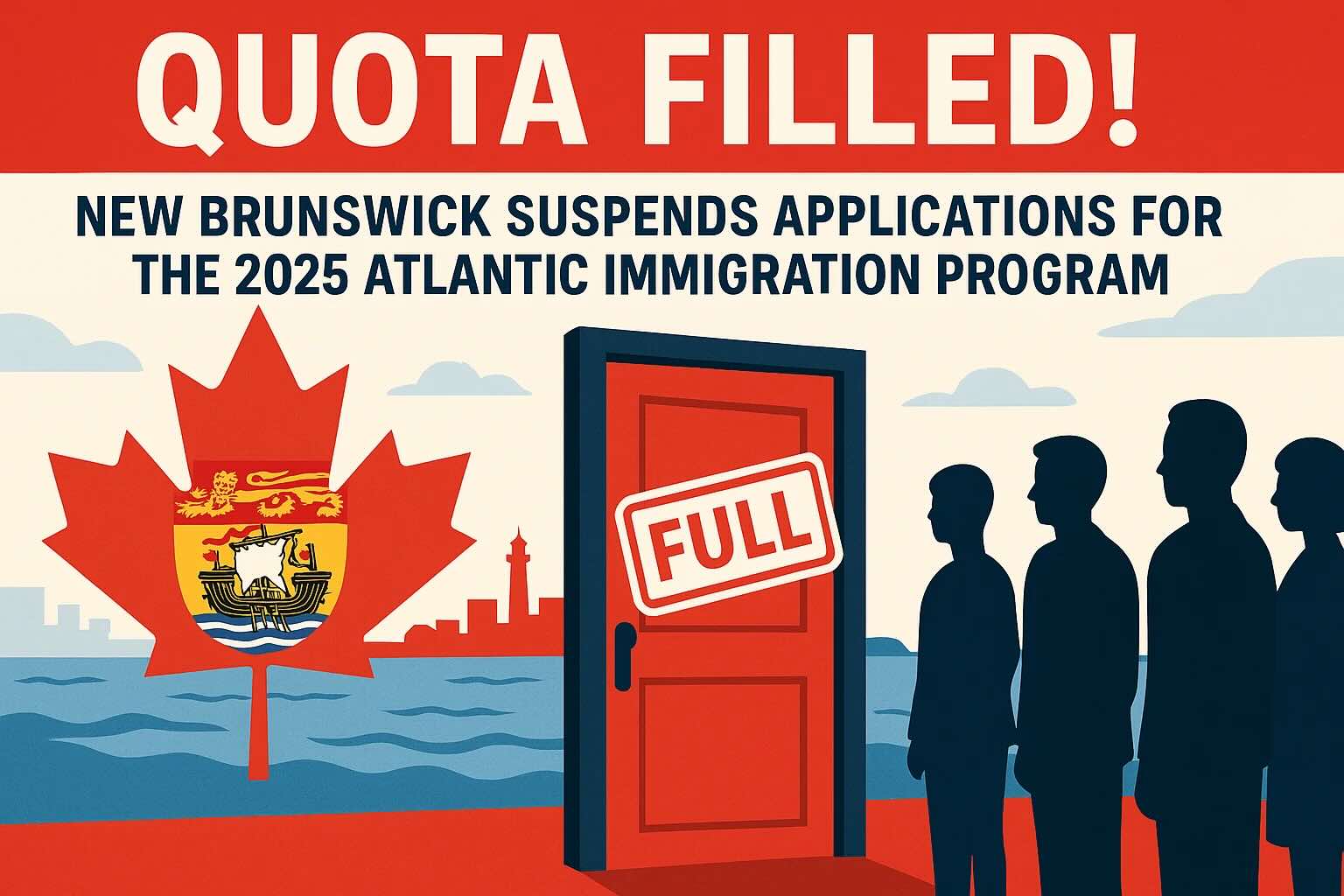
Quota Exhausted. New Brunswick Suspends Acceptance of 2025 Atlantic Immigration Program Applications
Canada's New Brunswick province recently announced the suspension of new provincial endorsement applications for the Atlantic Immigration Program (AIP) for the remainder of 2025, as its annual quota of 1,250 spots was filled by April 4th. This closure occurred significantly earlier than last year, primarily attributed to federal immigration quota reductions and heightened application demand. Individuals aiming to immigrate via AIP can still explore options in the other three Atlantic provinces, though they should be aware of potential sector or occupation-specific restrictions.
04/13/2025

2025 Canada International Student Transfer Policy: Comprehensive Analysis
Starting in 2025, Immigration, Refugees, and Citizenship Canada (IRCC) has introduced a series of new regulations for international student transfers, clarifying situations that require reapplication for study permits and outlining how to maintain eligibility for PGWP after transferring. Notably, IRCC has also implemented temporary transition measures for students transferring between January and May 2025, allowing them to start at their new institution before the new permit is approved. This report provides an in-depth analysis of application requirements, procedures, fees, and PGWP considerations.
01/17/2025
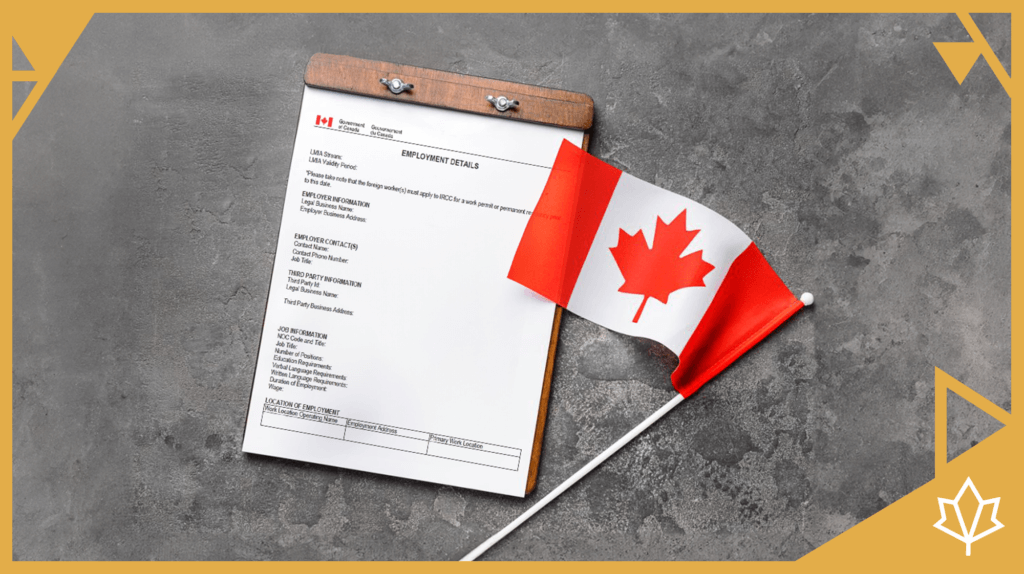
2024 Canadian Immigration Policy Review — Changes to LMIA-Exempt Work Permits
In 2024, the Canadian federal government introduced several adjustments to its Labour Market Impact Assessment (LMIA)-exempt work permit policies. These changes encompass Spousal Open Work Permits (SOWP), New work permit for PNP nominee candidates, Updated instructions regarding ICTs under the IMP and more, aimed at optimizing immigration structures and managing the proportion of temporary residents. Below is a professional analysis of the key policy changes and their implications.
01/13/2025