
Deep Dive into Canada’s Post-Graduation Work Permit (PGWP): Avoiding Common Pitfalls and Mastering New Policy Requirements
For the vast majority of international students in Canada, the Post-Graduation Work Permit (PGWP) serves as a critical bridge to permanent residency. However, even applicants familiar with basic eligibility criteria may face obstacles by overlooking subtle nuances within the internal assessment standards of Immigration, Refugees and Citizenship Canada (IRCC). According to internal operational instructions used by IRCC officers, the success of an application often hinges on details that are frequently neglected, including the precise application window, the calculation of study permit validity, the accurate declaration of Designated Learning Institutions (DLIs), and proof of continuous full-time student status. Furthermore, with the implementation of new policies on November 1, 2024, language proficiency scores and field-of-study requirements have become new focal points for review. This article combines internal immigration documents with the latest policy updates to comprehensively outline the critical factors applicants must consider when applying for a PGWP, helping to mitigate risks and improve approval probabilities.
02/14/2026

IRCC Confirms Freeze on PGWP-Eligible Field of Study List for 2026
Immigration, Refugees and Citizenship Canada (IRCC) officially confirmed on January 15, 2026, that it will freeze the list of educational programs eligible for the Post-Graduation Work Permit (PGWP) for the entirety of 2026, with no updates or adjustments scheduled. This means that for the remainder of the year, there will be no additions or removals to the existing list of eligible fields. Previously, the government had indicated in 2025 a plan to overhaul the list in "early 2026," but the latest announcement indicates this plan has been put on hold. For international students currently planning to apply for a PGWP, this policy shift provides increased certainty.
01/16/2026

Unlocking the Career Door for International Students in Canada: Essential Guide to Applying for the Post-Graduation Work Permit (PGWP)
For many international students aspiring to work and settle in Canada, obtaining a Post-Graduation Work Permit (PGWP) is a crucial first step. Immigration, Refugees and Citizenship Canada (IRCC) clearly states that PGWP eligibility hinges on studying at a qualified Designated Learning Institution (DLI) and enrolling in a PGWP-eligible program. Notably, beginning November 1, 2024, graduates at certain study levels will face new language proficiency and field of study restrictions. This report provides a detailed interpretation of IRCC's relevant regulations, guiding international students on how to choose schools and programs correctly to ensure successful PGWP acquisition.
05/12/2025

2025 Canada International Student Transfer Policy: Comprehensive Analysis
Starting in 2025, Immigration, Refugees, and Citizenship Canada (IRCC) has introduced a series of new regulations for international student transfers, clarifying situations that require reapplication for study permits and outlining how to maintain eligibility for PGWP after transferring. Notably, IRCC has also implemented temporary transition measures for students transferring between January and May 2025, allowing them to start at their new institution before the new permit is approved. This report provides an in-depth analysis of application requirements, procedures, fees, and PGWP considerations.
01/17/2025
2024 Canadian Immigration Policy Review — Changes to LMIA-Exempt Work Permits
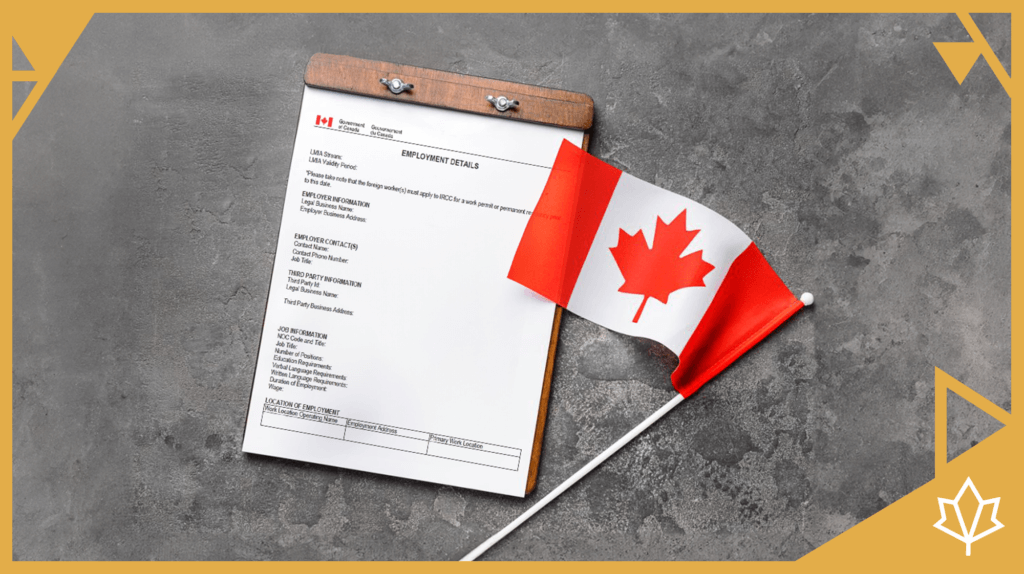
In 2024, the Canadian federal government introduced several adjustments to its Labour Market Impact Assessment (LMIA)-exempt work permit policies. These changes encompass Spousal Open Work Permits (SOWP), New work permit for PNP nominee candidates, Updated instructions regarding ICTs under the IMP and more, aimed at optimizing immigration structures and managing the proportion of temporary residents. Below is a professional analysis of the key policy changes and their implications.
01/13/2025

Early Childhood Education, Child Development, and Other Education-Related Programs Included in the Post-Graduation Work Permit (PGWP) Eligibility
The Immigration, Refugees, and Citizenship Canada (IRCC) recently announced an expansion of the Post-Graduation Work Permit (PGWP) eligible programs, adding several new education-related fields. This adjustment provides international students with more opportunities for employment and immigration in Canada and supports the long-term labor market needs of the country.
01/08/2025

International Students at the University of Waterloo Outearn Domestic Graduates, Leading Employment Success
A recent study revealed that international students at the University of Waterloo earn significantly higher average salaries after graduation compared to domestic students. These earnings surpass not only their peers at the university but also the national average. The study attributes this success to degrees in technology and engineering and the university’s robust co-op program. Furthermore, approximately 70% of international students choose to become permanent residents, highlighting their recognition of opportunities for long-term development in Canada.
12/13/2024

Alternative Work Permit Options for International Graduates Ineligible for a Post-Graduation Work Permit (PGWP)
With adjustments to Canada’s Post-Graduation Work Permit (PGWP) policies, some international graduates may no longer qualify for this program. However, this does not mean they lack opportunities to continue working in Canada. In fact, Canada offers various work permit pathways to help graduates maintain legal work status.
12/06/2024