The best is yet to come
OK
Log out of UNA?
Log out
Cancel
Get Personalized Immigration Plans in 5 Minutes
My Appointments
Welcome to UNA
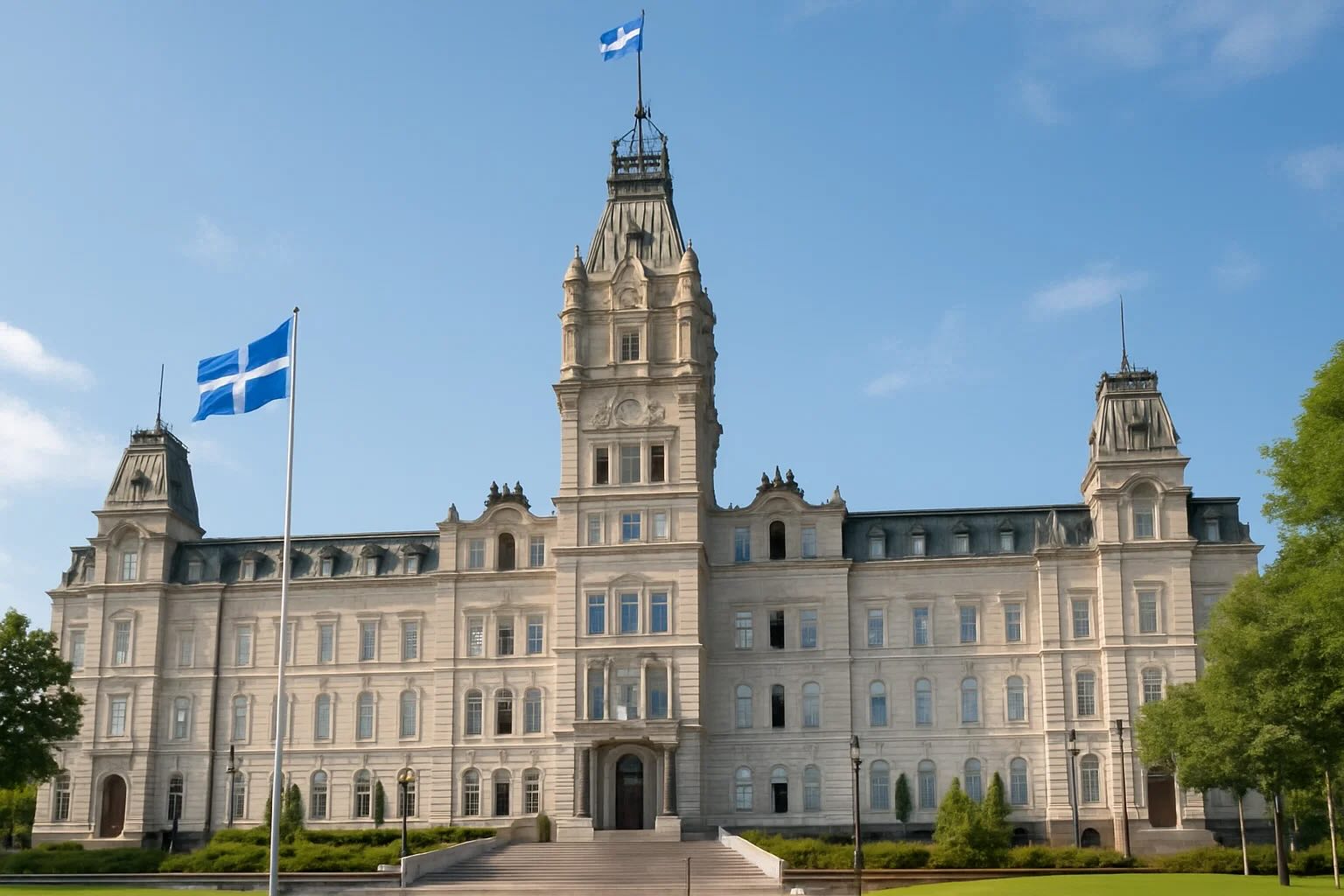
Quebec Announces Closure of Experience Program, Tightening Pathways to Permanent Residence

PEQ Closure Timeline

According to the Quebec government, both the Graduate and Temporary Foreign Worker streams under the PEQ have been suspended since October 31, 2024. Initially, the suspension was to last until June 30, 2025, but it was later extended to November 30, 2025. It has now been confirmed that both streams will permanently close on November 19, 2025.

Additionally, the following three permanent immigration pilot programs will officially end on January 1, 2026:

  • Permanent Immigration Pilot Program for Food Processing Workers
  • Permanent Immigration Pilot Program for Orderlies
  • Permanent Immigration Pilot Program for Workers in Artificial Intelligence, Information Technology, and Visual Effects

After these closures, the Skilled Worker Selection Program (PSTQ) will become the only remaining pathway to permanent residence in Quebec.

Processing of Submitted Applications

Quebec’s Ministry of Immigration, Francisation and Integration (MIFI) confirmed that all permanent selection applications already submitted under the PEQ or the three pilot programs will continue to be processed.

Furthermore, applications to add family members (spouses or dependent children) to already approved permanent selection cases will continue to be accepted and processed.

Pilot Programs: Limited Intake Remains

Within the pilot programs, only the Francophone stream of the Artificial Intelligence category remains open to new applicants until December 31, 2025.

All other categories have already reached their intake limits.

PSTQ: The New Option for Skilled Workers

Foreign nationals who wish to settle in Quebec permanently can still declare their intent to immigrate through the Programme de sélection des travailleurs qualifiés (PSTQ).

To apply, candidates must:

  1. Submit a Declaration of Interest through the online Arrima platform;
  2. Receive an invitation based on their score and Quebec’s selection criteria;
  3. Submit a full application for permanent selection.

The PSTQ includes four main streams:

  • Stream 1: Highly qualified and specialized workers
  • Stream 2: Intermediate and manual workers
  • Stream 3: Regulated professions
  • Stream 4: Exceptional talent

General Eligibility Criteria for PSTQ

To qualify under the PSTQ, applicants must meet the following general requirements:

  • Be at least 18 years old;
  • Intend to live and work in Quebec;
  • Be able to perform the selected occupation;
  • Demonstrate financial self-sufficiency for the first three months after becoming a permanent resident (including dependents);
  • Obtain the Attestation of Learning about Democratic Values of Quebec;
  • Comply with any scholarship return conditions (if applicable);
  • Meet the criteria that led to their invitation to apply.

Applicants cannot propose employment in a business they own or control, nor can they work in restricted industries such as payday loans, cheque cashing, pawnbroking, or adult entertainment.

Quebec Immigration Levels Plan (2025–2026)

Quebec’s newly tabled 2025 Immigration Levels Plan also sets the following targets:

  • 45,000 new permanent residents for 2025;
  • 64% of permanent admissions from temporary residents already in Quebec;
  • For the first time, specific targets for temporary foreign workers and international students: 55,700 temporary foreign workers in 2026; 68,500 international students in 2026.

Summary

With the closure of the PEQ and the conclusion of multiple pilot programs, Quebec’s permanent immigration framework is entering a new phase of reform. The PSTQ will become the province’s only main pathway to permanent residence, focusing on candidates with strong professional qualifications and the ability to integrate into Quebec society.

This move underscores the government’s efforts to manage immigration levels, strengthen the labor market, and promote the province’s French-language and cultural integration goals.

Friendly reminder: There are many pathways to immigrate to Canada. We recommend first using UNA AI to generate an objective and neutral immigration plan, so you can gain an initial understanding of the possible immigration pathways and their requirements, and then choose to proceed with one-on-one consultations with a licensed Canadian immigration consultant partnered with UNA.
阿尔伯塔省近三周举行六轮省提名抽选,重点邀请农村、医疗与科技领域候选人
Alberta Holds Six Immigration Draws in Three Weeks, Targeting Rural, Healthcare, and Tech Candidates
Over the past three weeks, the Alberta Advantage Immigration Program (AAIP) announced results from six provincial immigration draws held between February 26 and March 16, 2026. A total of 1,447 invitations were issued across several streams and pathways, including the Alberta Opportunity Stream, Rural Renewal Stream, Alberta Express Entry Priority Sectors pathway for healthcare, the Accelerated Tech pathway, and the Dedicated Health Care Pathway outside Express Entry. The latest round of draws shows Alberta is continuing to prioritize rural labour shortages, healthcare staffing needs, and the attraction of technology talent in 2026. As of March 17, Alberta had received 6,403 nomination spaces for the year, of which 1,127 had already been used, leaving 5,276 spots remaining.
03/23/2026
加拿大调整父母及祖父母超级签证收入计算方式,3月31日起适用新规
Canada Changes How Super Visa Income Requirements for Parents and Grandparents Are Calculated, with New Rules Taking Effect on March 31
The Canadian federal government announced in Ottawa on March 20, 2026, that it will change how income requirements are calculated for the Parents and Grandparents Super Visa starting March 31, 2026. The new policy, to be implemented by Immigration, Refugees and Citizenship Canada (IRCC), is intended to make it easier for more families to qualify while ensuring that family members receive adequate financial support during their stay in Canada. Under the updated rules, a host’s income will no longer be assessed based only on the tax year immediately preceding the application. Instead, hosts may qualify by meeting the requirement in either of the two preceding tax years. In addition, if the host and co-signer have already met the required minimum percentage of income, the income of the visiting parent or grandparent may also be used to make up the remaining amount. IRCC said that all applications already in processing as of March 31, 2026, as well as those submitted on or after that date, will be assessed under the new criteria.
03/21/2026
安省重启硕士与博士毕业生省提名邀请,逾1,100名毕业生获邀申请
Ontario Resumes Provincial Immigration Invitations for Master’s and PhD Graduates, with Over 1,100 Candidates Invited
On March 18, 2026, the Ontario Immigrant Nominee Program (OINP) conducted its third round of invitations of the year and completed six targeted draws on the same day, issuing a total of 1,243 Invitations to Apply (ITAs). Among them, 1,107 ITAs were issued through the Master’s Graduate and PhD Graduate streams, marking the first invitations under these two streams since September 17, 2024. The draws mainly targeted international student graduates and foreign workers with Canadian work experience in specific National Occupational Classification (NOC) occupations. At the same time, Ontario also issued 136 ITAs through its Employer Job Offer streams. These invitations came as the province moves ahead with a major restructuring of its immigration system, with several current categories scheduled to be revoked on May 30, 2026, and replaced by a new framework.
03/20/2026
加拿大快速通道最新法语类别抽选发出4,000份邀请,最低分降至393分
Canada’s Latest Express Entry French-Language Draw Issues 4,000 Invitations, With Cut-Off Score Falling to 393
On March 18, 2026, Immigration, Refugees and Citizenship Canada (IRCC) issued 4,000 Invitations to Apply (ITAs) for permanent residence through the Express Entry system to candidates with French-language proficiency. The minimum Comprehensive Ranking System (CRS) score required in this round was 393, dropping below the 400-point threshold and marking a notable development in recent French-language category-based draws. This selection was not only the 17th Express Entry draw of 2026, but also the third consecutive day of invitations this week, and the third draw this year targeting candidates with French-language ability. Although only three French-language draws have been held in 2026 so far, the category has already received 18,000 ITAs, ranking second among all draw types after the Canadian Experience Class (CEC).
03/19/2026
加拿大快速通道最新CEC抽选发出4,000份邀请,分数降至18个月来最低
Latest Express Entry CEC Draw Issues 4,000 Invitations, With Score Dropping to the Lowest Level in 18 Months
On March 17, 2026, Immigration, Refugees and Citizenship Canada (IRCC) issued 4,000 Invitations to Apply (ITAs) for permanent residence through an Express Entry draw targeting Canadian Experience Class (CEC) candidates. The minimum Comprehensive Ranking System (CRS) score required in this round was 507, marking a further decline compared with recent CEC draws and representing the lowest cut-off score for the category in the past 18 months. As Canada continues in 2026 to focus more heavily on candidates already in the country, applicants with Canadian work experience are emerging as one of the main beneficiary groups in the Express Entry system.
03/18/2026
加拿大快速通道最新一轮省提名类别抽选发出362份邀请
Latest Express Entry Draw Issues 362 Invitations to Provincial Nominees
On March 16, 2026, Immigration, Refugees and Citizenship Canada (IRCC) issued 362 Invitations to Apply (ITAs) for permanent residence to candidates under the Provincial Nominee Program (PNP) through the Express Entry system. In this round, candidates were required to have a minimum Comprehensive Ranking System (CRS) score of 742 and to have created their Express Entry profile before 8:35 p.m. UTC on October 5, 2025. This was the 15th Express Entry draw of 2026 and the sixth targeted draw for provincial nominees this year. Overall, IRCC’s selection pattern in 2026 continues to show a clear preference for candidates already in Canada, particularly those with provincial nominations or Canadian work experience. For more information on past Express Entry draws, readers can visit UNA’s dedicated page.
03/17/2026
卑诗省最新企业家移民抽选同步邀请两类申请人,Base 与 Regional 类别均发出邀请
British Columbia Invites Two Types of Entrepreneur Immigration Candidates in Latest Draw, Issuing Invitations Under Both Base and Regional Streams
British Columbia recently held a new draw under the Entrepreneur Immigration (EI) program of the British Columbia Provincial Nominee Program (BC PNP), issuing invitations to eligible candidates under both the Base and Regional streams. Those invited were mainly business applicants planning to establish a new business in British Columbia or acquire and expand an existing one. In this round, the minimum invitation score was 117 for the Base stream, with 7 invitations issued, while the minimum score for the Regional stream was 129, with fewer than 5 invitations issued. Since the start of 2026, British Columbia has completed five entrepreneur-category draws, reflecting the province’s continued steady pace in attracting business immigrants and supporting regional economic development.
03/16/2026
加拿大放宽农村地区低薪临时外籍工人聘用限制
Canada Eases Hiring Limits for Low-Wage Temporary Foreign Workers in Rural Areas
The Canadian federal government has announced a temporary easing of rules for rural employers using the low-wage stream of the Temporary Foreign Worker Program (TFWP) from April 1, 2026, to March 31, 2027. Under the new policy, eligible rural employers in participating provinces and territories will not only be allowed to maintain their current number of low-wage temporary foreign workers, but will also be able to increase the cap on these workers from 10% to 15% of their total workforce. The move is being seen as a targeted policy adjustment aimed at addressing persistent labour shortages in rural and remote communities. However, the measure will apply only in provinces and territories that choose to participate, and the federal government has not yet released a list of those jurisdictions.
03/14/2026
加拿大移民改革法案 C-12 通过关键立法关口,涉工签、学签及永居文件处置权扩张
Canada’s Immigration Reform Bill C-12 Passes Key Legislative Stage, Expanding Powers Over Work Permits, Study Permits, and Permanent Residence Documents
Bill C-12, introduced by the federal government, has become one of the most significant immigration reform measures in Canada in recent years. According to public legislative records, the bill, titled the Strong Borders Act, passed third reading in the Senate on March 12, 2026, and is now listed on the official legislative tracker as “awaiting royal assent.” The immigration-related provisions of the bill are concentrated in three main areas: granting the Governor in Council broader authority to pause, terminate, or alter immigration applications and issued documents; reshaping asylum eligibility rules in Canada; and expanding the scope of personal information sharing between the immigration department and other government institutions. For international students, work permit holders, permanent resident visa applicants, and potential refugee claimants, the bill could bring substantial and far-reaching changes once it formally comes into force.
03/13/2026
西北地区省提名计划正式开放雇主驱动类及法语类通道,首次EOI抽签定于3月25日
Northwest Territories Opens Employer-Driven and Francophone Immigration Streams, First EOI Draw Set for March 25
The Northwest Territories Nominee Program (NTNP) officially opened its Employer-Driven and Francophone Streams on March 9, 2026. The Employer-Driven Stream has transitioned to an Expression of Interest (EOI) selection model, with its inaugural draw scheduled for March 25, when up to 65 eligible candidates will be invited to submit full applications. The Francophone Stream will continue accepting direct applications on a first-come, first-served basis. For the 2026 cycle, the federal government has allocated 197 nomination spaces to the Northwest Territories.
03/11/2026
Sorry, your request failed
Please try again
OK