
Canada Sets July 15 Launch for Sweeping Overhaul of Immigration Consultant Regulation, with First-Ever Compensation Fund for Victims
Canada's federal government announced on May 6, 2026 that a sweeping overhaul of the regulatory framework governing the College of Immigration and Citizenship Consultants (CICC) will come into force on July 15, 2026 — the most significant regulatory upgrade since the CICC succeeded the Immigration Consultants of Canada Regulatory Council (ICCRC) on November 23, 2021. The new rules give the College stronger disciplinary teeth, allow the federal government to step in and take over the College's board if it fails to protect the public, and establish, for the first time, a dedicated compensation fund to provide redress to clients who suffer financial losses because a CICC-licensed consultant engaged in theft, fraud, misappropriation of funds, misrepresentation, or refusal to cooperate with professional liability insurance; at the same time, the College's public register will be expanded with additional disclosures about each licensee, making it easier for the public to verify a consultant's licensing status, good standing, and disciplinary history — and squeezing the operating space of so-called "ghost consultants."
05/08/2026

Canada Introduces Two New Facilitated Work Permit Pathways for Youths from Taiwan and Portugal
Canada has recently introduced two new facilitated work permit pathways under the International Experience Canada (International Experience Canada, or IEC) program for young people from Taiwan and Portugal. These are the TGPI program for Taiwanese youth and the Inov Contacto program for Portuguese youth. Both new pathways offer employer-specific work permits and include tailored arrangements in terms of program structure, financial support, and eligibility requirements. At the same time, applicants from Taiwan and Portugal may still continue to apply under the regular criteria for the IEC Young Professionals category. The new policy suggests that Canada is further expanding youth talent exchange and short-term employment cooperation with specific countries and regions through bilateral youth mobility arrangements.
03/10/2026

Statistics Canada Hiring About 32,000 Census Jobs Nationwide; Work Permit Holders Eligible to Apply
Statistics Canada has launched a large-scale hiring campaign for the 2026 Census of Population, bringing on roughly 32,000 workers across Canada. Eligible applicants include work permit holders who meet residency and age requirements. The main openings are for enumerators and crew leaders, paid hourly with certain reimbursable expenses. For those planning to pursue permanent residence through Express Entry, some positions may provide supplemental Canadian work experience—but whether hours count toward the Canadian Experience Class depends on the role’s TEER level, NOC classification, and how closely actual duties align with NOC requirements.
01/29/2026

Canada’s First 2026 IEC Working Holiday Round Issues Over 10,000 Invitations
Canada has launched the 2026 season of the International Experience Canada (IEC) program, and the Working Holiday stream has already seen a large first wave of Invitations to Apply (ITAs). As of January 23, 2026, a total of 10,689 ITAs had been issued to participating countries and territories, out of a 2026 Working Holiday quota of 42,127. While 35,283 spots remain available, the candidate pool already stands at 34,539, suggesting a faster-moving and potentially more competitive season. For young travellers and early-career professionals, the Working Holiday work permit is often the quickest legal route to work in Canada without requiring a Labour Market Impact Assessment (LMIA) and typically without the need for a pre-arranged job offer—making the first round’s pace an important signal for how quickly quotas may shrink in 2026.
01/28/2026

Nova Scotia Overhauls Provincial Nominee and AIP Selection System with New EOI Model
On November 28, 2025, Nova Scotia announced a major shift in its immigration intake system, confirming that all submissions under the Nova Scotia Provincial Nominee Program (NSPNP) and the Atlantic Immigration Program (AIP) will now be processed through an Expression of Interest (EOI) model. Under the new rules, all submissions—regardless of submission date—are considered EOIs, and having a case ID or meeting eligibility criteria no longer guarantees file processing. The province will conduct periodic draws based on current labor market and economic priorities, with priority sectors such as healthcare, construction, trades, STEM, natural resources, and manufacturing. The shift aligns with broader trends driven by reduced provincial nomination allocations from IRCC. With increased immigration targets set for 2026, applicants may soon see improved chances of receiving selections.
12/03/2025
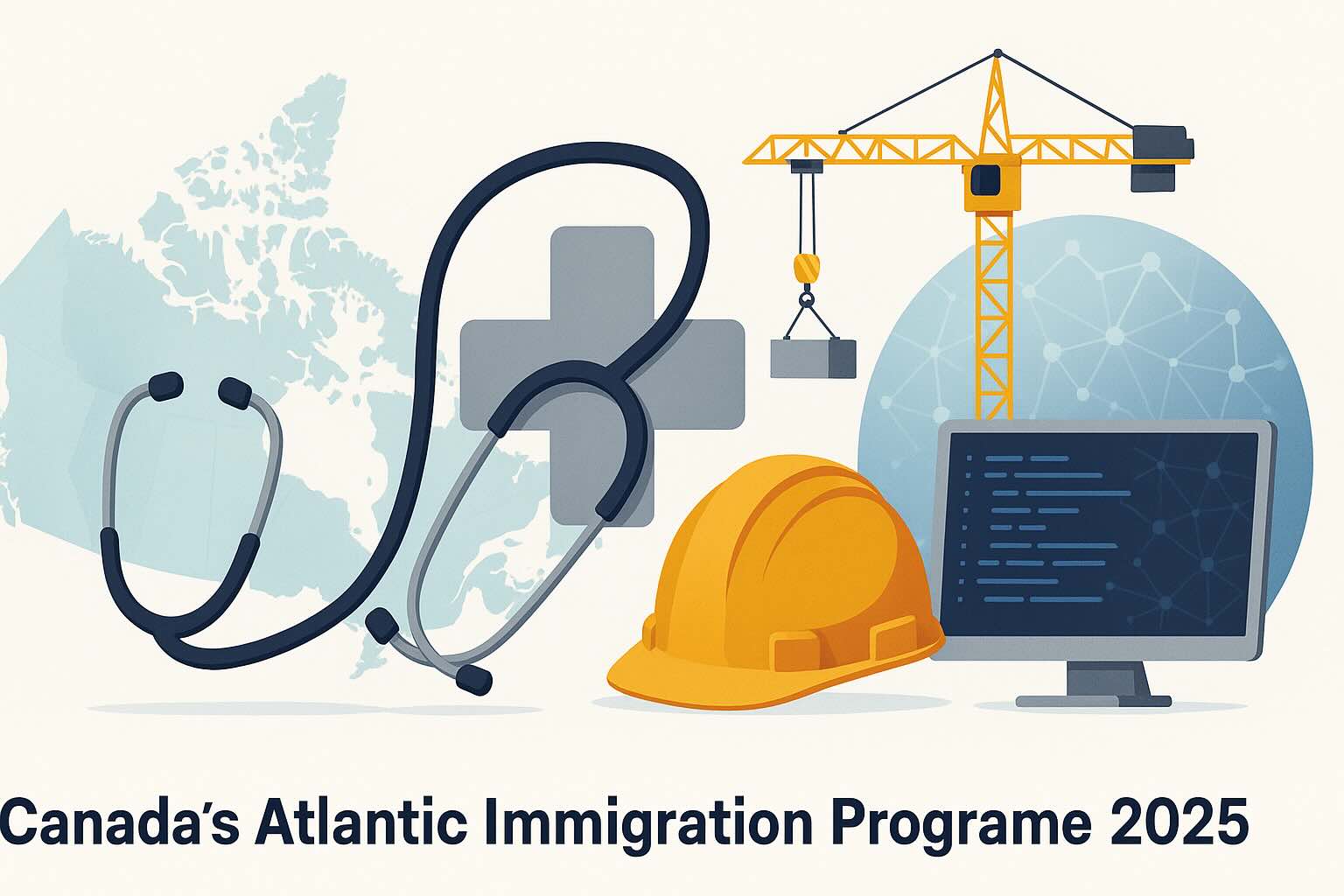
Canada's Atlantic Immigration Program: 2025 Updates See Provinces Prioritize Key Sectors and Occupations
In 2025, Canada's Atlantic Immigration Program (AIP) is entering a new strategic phase due to adjusted federal immigration allocations. To manage reduced quotas, the four Atlantic provinces are concentrating their resources on key sectors vital to their local economies. Healthcare, construction, and information technology have become focal points for attracting talent. This report provides an in-depth analysis of the latest priority sectors and occupations for each province, examines the alternative pathways available in New Brunswick following its AIP pause, and offers authoritative guidance for applicants planning to immigrate through this program in 2025.
08/21/2025
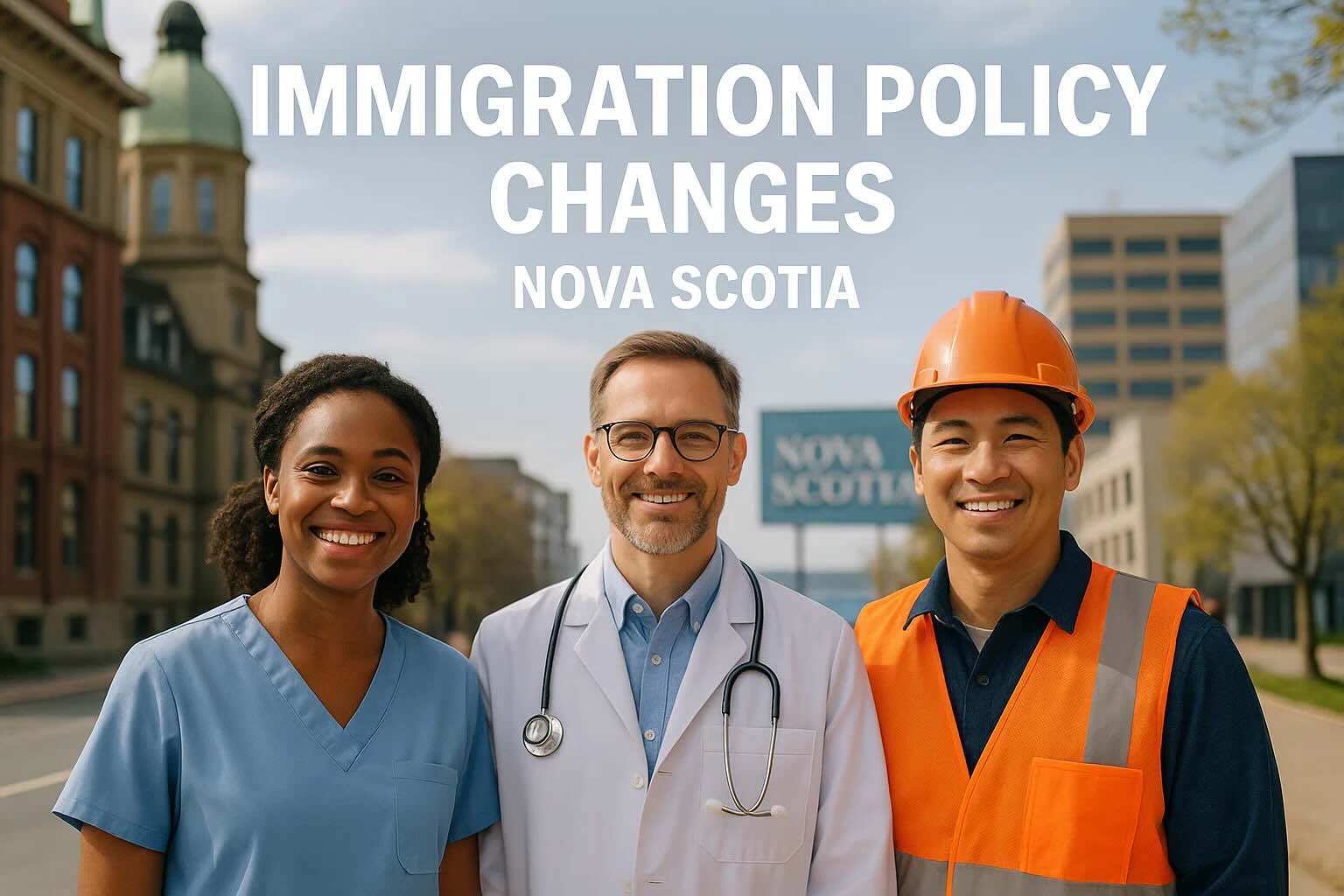
Nova Scotia Adjusts PNP Processing to Prioritize In-Province Applicants in Key Sectors
Nova Scotia's immigration authority issued an official notice on July 16, announcing an adjustment to its Provincial Nominee Program (NS PNP) application processing strategy. As the number of applications for 2025 has reached the annual allocation limit set by the federal government, the province has decided to shift its processing focus for the remainder of the year to applicants already working in the province whose work permits are set to expire in 2025, with a particular emphasis on professionals in the healthcare and construction sectors. This adjustment is a direct response to the federal government's reduced 2025 PNP allocation and will significantly impact various categories of applicants.
07/28/2025