
Canada Expands Open Work Permit Eligibility for Spouses of Foreign Workers at Two B.C. Companies
Canada has further expanded work permit access for family members of foreign workers employed by selected companies. As of March 23, 2026, foreign workers employed in British Columbia by Lululemon Athletica or Microsoft Vancouver can support an open work permit application for their spouse or common-law partner, without the usual restrictions based on the principal applicant’s skill level, salary, or seniority. The new measure applies to applications received on or after that date and represents a targeted exemption for companies tied to significant investment projects, even as Canada continues tightening spousal open work permit rules more broadly.
03/25/2026

Canada Introduces Two New Facilitated Work Permit Pathways for Youths from Taiwan and Portugal
Canada has recently introduced two new facilitated work permit pathways under the International Experience Canada (International Experience Canada, or IEC) program for young people from Taiwan and Portugal. These are the TGPI program for Taiwanese youth and the Inov Contacto program for Portuguese youth. Both new pathways offer employer-specific work permits and include tailored arrangements in terms of program structure, financial support, and eligibility requirements. At the same time, applicants from Taiwan and Portugal may still continue to apply under the regular criteria for the IEC Young Professionals category. The new policy suggests that Canada is further expanding youth talent exchange and short-term employment cooperation with specific countries and regions through bilateral youth mobility arrangements.
03/10/2026

Quebec Updates 2026 Expedited LMIA Processing List for Temporary Foreign Workers
On February 24, 2026, the Government of Quebec released its annually updated list of occupations eligible for expedited Labour Market Impact Assessment (LMIA) processing under the Temporary Foreign Worker Program (TFWP). Marking a significant shift from previous years, the total number of eligible occupations has been scaled back from 76 to 60, with a notable removal of various Information Technology (IT) and engineering professions. Designed to reflect the evolving needs of the provincial labour market, this updated list will remain in effect until February 23, 2027. To ensure a smooth transition for employers and applicants, Quebec has implemented a 30-day grace period—running from February 24 to March 26, 2026—for previously eligible occupations that have been cut from the new roster. Additionally, the province reiterated crucial guidelines regarding the TFWP approval process and recently implemented French-language proficiency requirements.
02/27/2026

Deep Dive into Canada’s Post-Graduation Work Permit (PGWP): Avoiding Common Pitfalls and Mastering New Policy Requirements
For the vast majority of international students in Canada, the Post-Graduation Work Permit (PGWP) serves as a critical bridge to permanent residency. However, even applicants familiar with basic eligibility criteria may face obstacles by overlooking subtle nuances within the internal assessment standards of Immigration, Refugees and Citizenship Canada (IRCC). According to internal operational instructions used by IRCC officers, the success of an application often hinges on details that are frequently neglected, including the precise application window, the calculation of study permit validity, the accurate declaration of Designated Learning Institutions (DLIs), and proof of continuous full-time student status. Furthermore, with the implementation of new policies on November 1, 2024, language proficiency scores and field-of-study requirements have become new focal points for review. This article combines internal immigration documents with the latest policy updates to comprehensively outline the critical factors applicants must consider when applying for a PGWP, helping to mitigate risks and improve approval probabilities.
02/14/2026

IRCC Confirms Freeze on PGWP-Eligible Field of Study List for 2026
Immigration, Refugees and Citizenship Canada (IRCC) officially confirmed on January 15, 2026, that it will freeze the list of educational programs eligible for the Post-Graduation Work Permit (PGWP) for the entirety of 2026, with no updates or adjustments scheduled. This means that for the remainder of the year, there will be no additions or removals to the existing list of eligible fields. Previously, the government had indicated in 2025 a plan to overhaul the list in "early 2026," but the latest announcement indicates this plan has been put on hold. For international students currently planning to apply for a PGWP, this policy shift provides increased certainty.
01/16/2026

Quebec Issues New Round of Invitations Under Skilled Worker Program, Over 200 Candidates Invited
On August 28, 2025, Quebec's Ministry of Immigration, Francization and Integration (MIFI) issued 231 invitations to apply for a Quebec Selection Certificate (CSQ) through its Regular Skilled Worker Program (PSTQ). This round of invitations primarily targeted two specific categories of candidates: highly skilled individuals with work experience outside of regulated professions and those with exceptional talent. The draw takes place against the backdrop of comprehensive immigration policy reforms being developed by the province, highlighting Quebec's current preference for applicants who are already in the province and possess advanced education and specialized skills.
09/12/2025

Quebec's New Skilled Worker Program (PSTQ) Is Live, Prioritizing In-Province Candidates in First Draw
On July 17, 2025, the province of Quebec launched its new Skilled Worker Selection Program (PSTQ) with its first invitation round since the program's reform in 2024. A total of 238 candidates were invited, with a precise focus on individuals already residing in Quebec who possess French language skills, local educational credentials or work experience, and are in occupations that address labour shortages. This inaugural draw targeted the "Highly qualified and specialized skills" and "Exceptional talent" streams, signaling a definitive policy shift towards prioritizing candidates already integrated into Quebec society.
07/29/2025

Unlocking the Career Door for International Students in Canada: Essential Guide to Applying for the Post-Graduation Work Permit (PGWP)
For many international students aspiring to work and settle in Canada, obtaining a Post-Graduation Work Permit (PGWP) is a crucial first step. Immigration, Refugees and Citizenship Canada (IRCC) clearly states that PGWP eligibility hinges on studying at a qualified Designated Learning Institution (DLI) and enrolling in a PGWP-eligible program. Notably, beginning November 1, 2024, graduates at certain study levels will face new language proficiency and field of study restrictions. This report provides a detailed interpretation of IRCC's relevant regulations, guiding international students on how to choose schools and programs correctly to ensure successful PGWP acquisition.
05/12/2025

2025 Canada International Student Transfer Policy: Comprehensive Analysis
Starting in 2025, Immigration, Refugees, and Citizenship Canada (IRCC) has introduced a series of new regulations for international student transfers, clarifying situations that require reapplication for study permits and outlining how to maintain eligibility for PGWP after transferring. Notably, IRCC has also implemented temporary transition measures for students transferring between January and May 2025, allowing them to start at their new institution before the new permit is approved. This report provides an in-depth analysis of application requirements, procedures, fees, and PGWP considerations.
01/17/2025
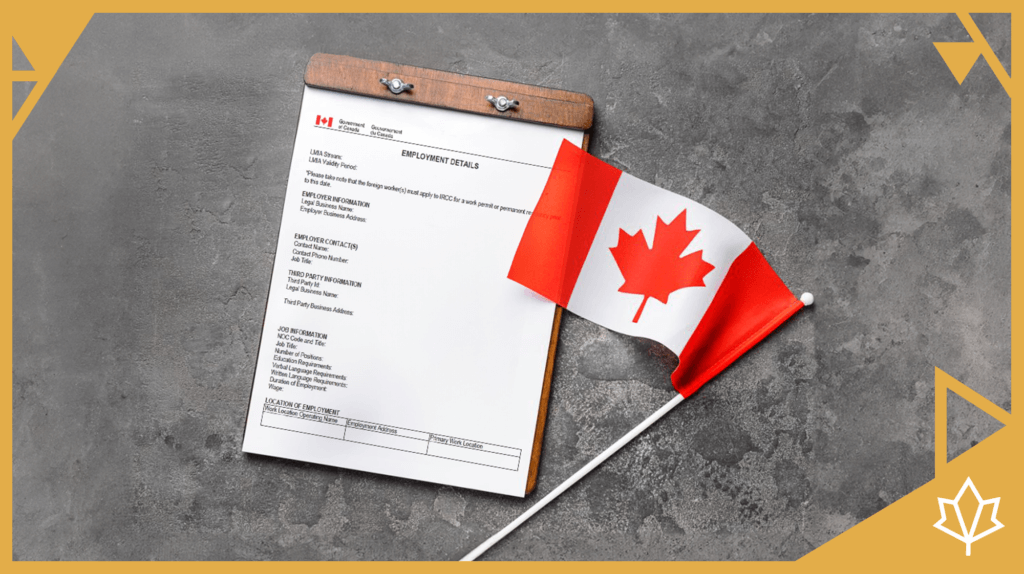
2024 Canadian Immigration Policy Review — Changes to LMIA-Exempt Work Permits
In 2024, the Canadian federal government introduced several adjustments to its Labour Market Impact Assessment (LMIA)-exempt work permit policies. These changes encompass Spousal Open Work Permits (SOWP), New work permit for PNP nominee candidates, Updated instructions regarding ICTs under the IMP and more, aimed at optimizing immigration structures and managing the proportion of temporary residents. Below is a professional analysis of the key policy changes and their implications.
01/13/2025