
Canada's Express Entry Holds First-Ever Draw for Senior Managers with Canadian Work Experience
On March 5, 2026, Immigration, Refugees and Citizenship Canada (IRCC) conducted a new category-based Express Entry draw, issuing invitations to apply (ITAs) for the first time under the Senior Managers with Canadian Work Experience category. A total of 250 ITAs were issued in this round, with a minimum Comprehensive Ranking System (CRS) score requirement of 429. This category is one of three new occupational streams introduced when IRCC overhauled the Express Entry system in February 2026. Looking at the overall trend of Express Entry draws so far in 2026, IRCC has shown a clear preference for prioritizing immigration candidates already residing in Canada, particularly those with local work experience or provincial nominations.
03/06/2026

Saskatchewan Unveils 2026 SINP Allocation and Strategic Overhaul: Nomination Cap Maintained at 4,761 with New Sector-Based Tiers
The Saskatchewan Immigrant Nominee Program (SINP) has officially announced its nomination allocation and a series of significant policy changes for 2026. The province has received an initial allocation of 4,761 nomination spaces, matching the total at the end of 2025. In a major shift, the federal government has removed the 2025 requirement that 75% of nominees must already be in Canada, granting Saskatchewan greater flexibility to select overseas candidates. For the upcoming year, the SINP is implementing a new three-tier distribution strategy: "Priority Sectors" (such as healthcare and agriculture) will be allocated at least 50% of nominations with open intake, while "Capped Sectors" (including hospitality and retail) will face strict percentage limits and scheduled application windows. Furthermore, the province has introduced tighter eligibility criteria for open work permit holders and Post-Graduation Work Permit (PGWP) holders, specifically affecting out-of-province graduates.
12/31/2025

Saskatchewan Announces 2026 Nomination Allocation and Major SINP Reforms
The Government of Saskatchewan has officially announced its provincial nomination plan for 2026, confirming that the Saskatchewan Immigrant Nominee Program (SINP) will have a total allocation of 4,761 nominations, unchanged from the end of 2025. To support the use of this allocation, the province will introduce a series of structural reforms in 2026, including clearly defined nomination shares for priority and capped sectors, greater flexibility for priority-sector applicants, and stricter eligibility rules for international students and certain open work permit holders.
12/25/2025

Nova Scotia Overhauls Provincial Nominee and AIP Selection System with New EOI Model
On November 28, 2025, Nova Scotia announced a major shift in its immigration intake system, confirming that all submissions under the Nova Scotia Provincial Nominee Program (NSPNP) and the Atlantic Immigration Program (AIP) will now be processed through an Expression of Interest (EOI) model. Under the new rules, all submissions—regardless of submission date—are considered EOIs, and having a case ID or meeting eligibility criteria no longer guarantees file processing. The province will conduct periodic draws based on current labor market and economic priorities, with priority sectors such as healthcare, construction, trades, STEM, natural resources, and manufacturing. The shift aligns with broader trends driven by reduced provincial nomination allocations from IRCC. With increased immigration targets set for 2026, applicants may soon see improved chances of receiving selections.
12/03/2025

Saskatchewan Receives Increased Immigration Allocation, Creating New Opportunities for Priority Sectors
The Canadian province of Saskatchewan has announced that its 2025 Provincial Nominee Program (SINP) has received an additional 1,136 nominations from the federal government, bringing its total annual allocation to 4,761. This adjustment reopens application pathways for several sectors that were previously paused due to reaching their caps. Against a backdrop of diverging immigration allocation trends across Canada, this development in Saskatchewan, along with increases in several other provinces, highlights the complex and evolving landscape of federal and provincial immigration policies.
08/29/2025
Canada's Atlantic Immigration Program: 2025 Updates See Provinces Prioritize Key Sectors and Occupations
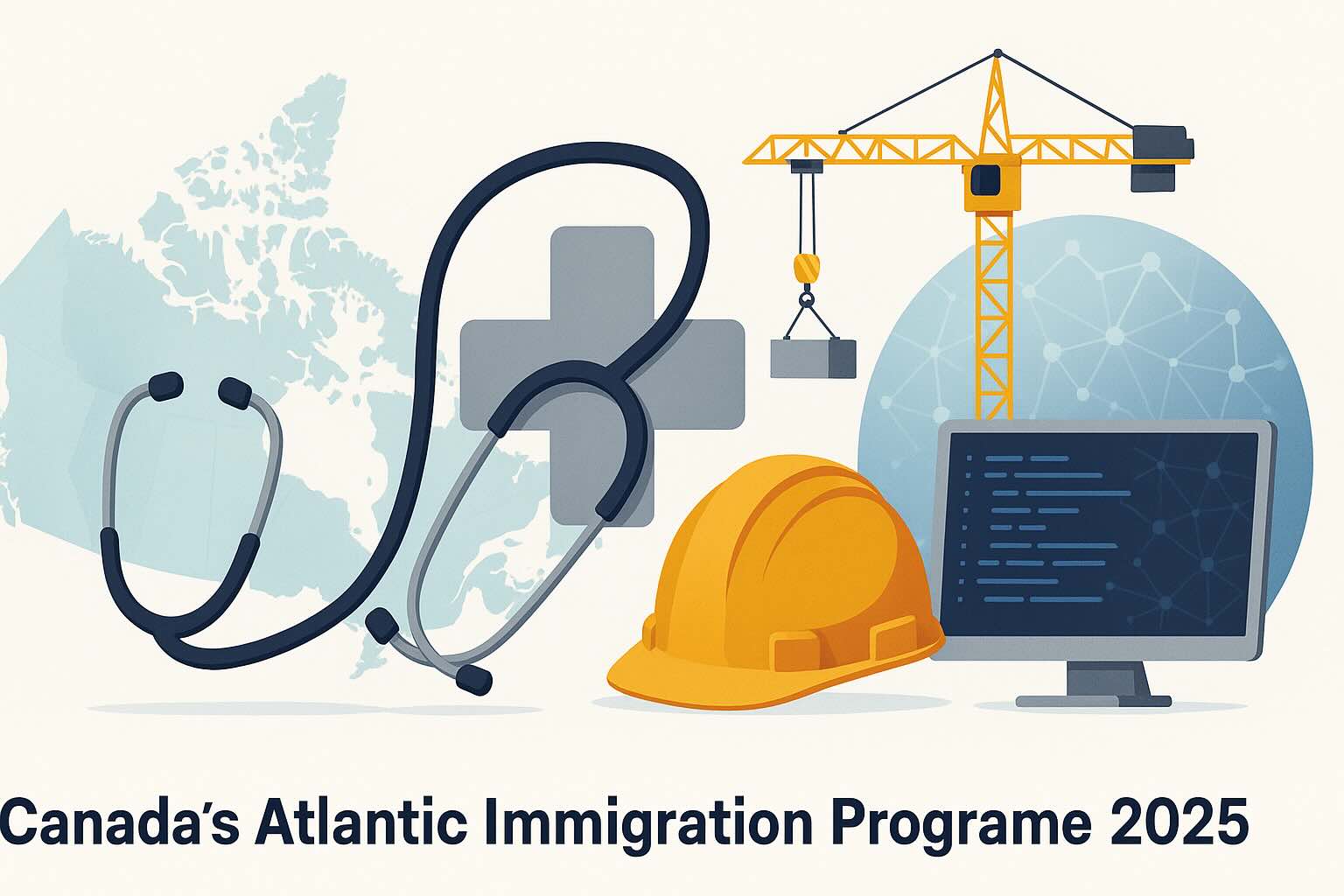
In 2025, Canada's Atlantic Immigration Program (AIP) is entering a new strategic phase due to adjusted federal immigration allocations. To manage reduced quotas, the four Atlantic provinces are concentrating their resources on key sectors vital to their local economies. Healthcare, construction, and information technology have become focal points for attracting talent. This report provides an in-depth analysis of the latest priority sectors and occupations for each province, examines the alternative pathways available in New Brunswick following its AIP pause, and offers authoritative guidance for applicants planning to immigrate through this program in 2025.
08/21/2025
Nova Scotia Adjusts PNP Processing to Prioritize In-Province Applicants in Key Sectors
Nova Scotia's immigration authority issued an official notice on July 16, announcing an adjustment to its Provincial Nominee Program (NS PNP) application processing strategy. As the number of applications for 2025 has reached the annual allocation limit set by the federal government, the province has decided to shift its processing focus for the remainder of the year to applicants already working in the province whose work permits are set to expire in 2025, with a particular emphasis on professionals in the healthcare and construction sectors. This adjustment is a direct response to the federal government's reduced 2025 PNP allocation and will significantly impact various categories of applicants.
07/28/2025