
Canada Changes How Super Visa Income Requirements for Parents and Grandparents Are Calculated, with New Rules Taking Effect on March 31
The Canadian federal government announced in Ottawa on March 20, 2026, that it will change how income requirements are calculated for the Parents and Grandparents Super Visa starting March 31, 2026. The new policy, to be implemented by Immigration, Refugees and Citizenship Canada (IRCC), is intended to make it easier for more families to qualify while ensuring that family members receive adequate financial support during their stay in Canada. Under the updated rules, a host’s income will no longer be assessed based only on the tax year immediately preceding the application. Instead, hosts may qualify by meeting the requirement in either of the two preceding tax years. In addition, if the host and co-signer have already met the required minimum percentage of income, the income of the visiting parent or grandparent may also be used to make up the remaining amount. IRCC said that all applications already in processing as of March 31, 2026, as well as those submitted on or after that date, will be assessed under the new criteria.
03/21/2026

Northwest Territories Opens Employer-Driven and Francophone Immigration Streams, First EOI Draw Set for March 25
The Northwest Territories Nominee Program (NTNP) officially opened its Employer-Driven and Francophone Streams on March 9, 2026. The Employer-Driven Stream has transitioned to an Expression of Interest (EOI) selection model, with its inaugural draw scheduled for March 25, when up to 65 eligible candidates will be invited to submit full applications. The Francophone Stream will continue accepting direct applications on a first-come, first-served basis. For the 2026 cycle, the federal government has allocated 197 nomination spaces to the Northwest Territories.
03/11/2026

Northwest Territories Announces 2026 Provincial Nominee Allocation and Introduces New EOI Scoring System for Employer-Driven Stream
On February 18, 2026, the Government of the Northwest Territories officially announced its annual policy updates for the Northwest Territories Nominee Program (NTNP). Approved by Immigration, Refugees and Citizenship Canada (IRCC), the territory's nomination allocation for 2026 is set at 197, maintaining the final increased quota from 2025. The core of this policy update is a comprehensive overhaul of the 2026 selection process, introducing an Expression of Interest (EOI) scoring model exclusively for the Employer-Driven Stream. This new system aims to optimize the processing of high-demand pathways through increased transparency and stronger alignment with local labor market needs. The NTNP will reopen intake for this stream, alongside the Francophone Stream, at 9:00 a.m. Mountain Standard Time (MST) on March 9, 2026.
02/23/2026

Nova Scotia Overhauls Provincial Nominee and AIP Selection System with New EOI Model
On November 28, 2025, Nova Scotia announced a major shift in its immigration intake system, confirming that all submissions under the Nova Scotia Provincial Nominee Program (NSPNP) and the Atlantic Immigration Program (AIP) will now be processed through an Expression of Interest (EOI) model. Under the new rules, all submissions—regardless of submission date—are considered EOIs, and having a case ID or meeting eligibility criteria no longer guarantees file processing. The province will conduct periodic draws based on current labor market and economic priorities, with priority sectors such as healthcare, construction, trades, STEM, natural resources, and manufacturing. The shift aligns with broader trends driven by reduced provincial nomination allocations from IRCC. With increased immigration targets set for 2026, applicants may soon see improved chances of receiving selections.
12/03/2025

Northwest Territories Nominee Program adds a third intake window; eligibility changes in effect through year-end
The Northwest Territories (NWT) has announced a third application intake window for its Nominee Program (NTNP), running from November 10, 2025 at 9:00 a.m. to November 24, 2025. To complete the 2025 target of 300 nominations, the territory plans to process up to 103 additional eligible applications by year-end and has introduced temporary eligibility adjustments: removal of the work-permit expiry-date restriction, reinstatement of certain 2024 work-experience requirements, and elimination of employer submission caps tied to company size. Applications will be prioritized for candidates whose work permits expire within the next three months, followed by filing date order; if processing exceeds capacity or cannot be finalized by December 23, applications will be withdrawn, with the option to reapply in 2026.
11/10/2025

Northwest Territories Restores 2025 Nominee Quota to 2024 Levels, Allowing Up to 300 Nominations
The Government of the Northwest Territories (NWT) has announced that its 2025 Northwest Territories Nominee Program (NTNP) allocation has been restored to 2024 levels following federal approval. The total quota will rise to 300, up significantly from 197 earlier this year. Minister of Education, Culture, and Employment Caitlin Cleveland stated that preparations are underway for the next NTNP intake period, which will open additional pathways for skilled workers to obtain provincial nomination. This adjustment makes the NWT the first jurisdiction in 2025 to regain its pre-reduction quota, marking a key milestone in the territory’s ongoing efforts to address critical labor shortages through immigration.
10/21/2025
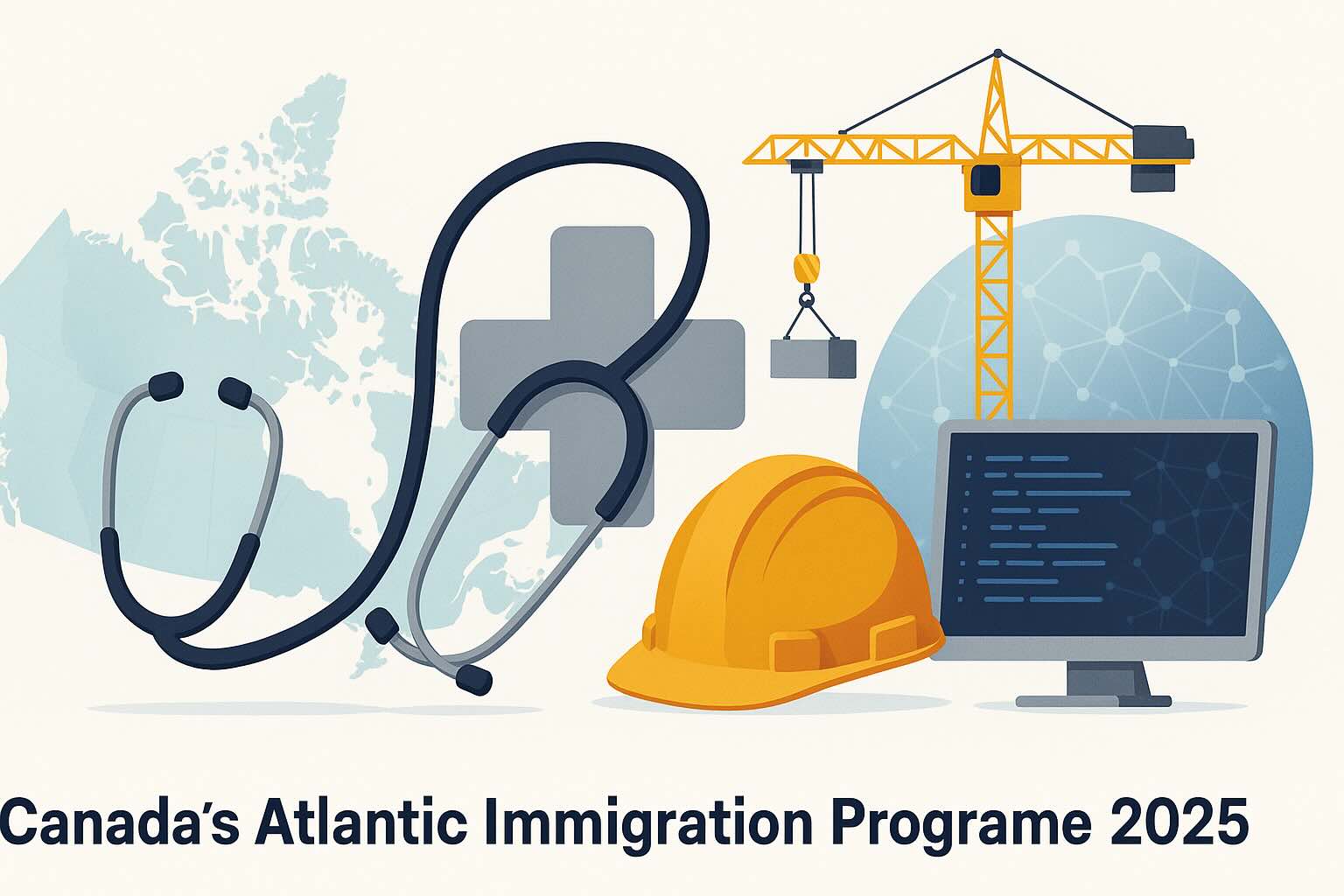
Canada's Atlantic Immigration Program: 2025 Updates See Provinces Prioritize Key Sectors and Occupations
In 2025, Canada's Atlantic Immigration Program (AIP) is entering a new strategic phase due to adjusted federal immigration allocations. To manage reduced quotas, the four Atlantic provinces are concentrating their resources on key sectors vital to their local economies. Healthcare, construction, and information technology have become focal points for attracting talent. This report provides an in-depth analysis of the latest priority sectors and occupations for each province, examines the alternative pathways available in New Brunswick following its AIP pause, and offers authoritative guidance for applicants planning to immigrate through this program in 2025.
08/21/2025

Super Visa: Canada's 'Fast Track' Alternative for Parent and Grandparent Reunification
For many families hoping to reunite with parents or grandparents in Canada, the limited lottery for the Parents and Grandparents Program (PGP) presents a significant hurdle. This article provides an in-depth analysis of Canada's Super Visa program, which serves as an attractive alternative by offering a long-term visitor visa with year-round applications. The report details the core differences between the Super Visa and the PGP, outlines eligibility criteria and application procedures, and offers professional strategies to address common reasons for refusal, helping applicants increase their chances of success.
08/17/2025

Success is in the Details: A Guide to Navigating Canada's PGP Application and Avoiding 5 Critical Pitfalls
Canada's Parents and Grandparents Program (PGP) is a vital pathway for many families to reunite. However, after receiving an Invitation to Apply (ITA), common mistakes in the application process can derail an applicant's efforts. This article provides a detailed analysis of the five most common application "pitfalls," including incomplete applications, replying to no-reply emails, inconsistent information, improper form signing, and omitting periods of unemployment. It also offers specific strategies to avoid them, aiming to help applicants increase their chances of success and smoothly complete what may be a once-in-a-lifetime sponsorship opportunity.
07/30/2025
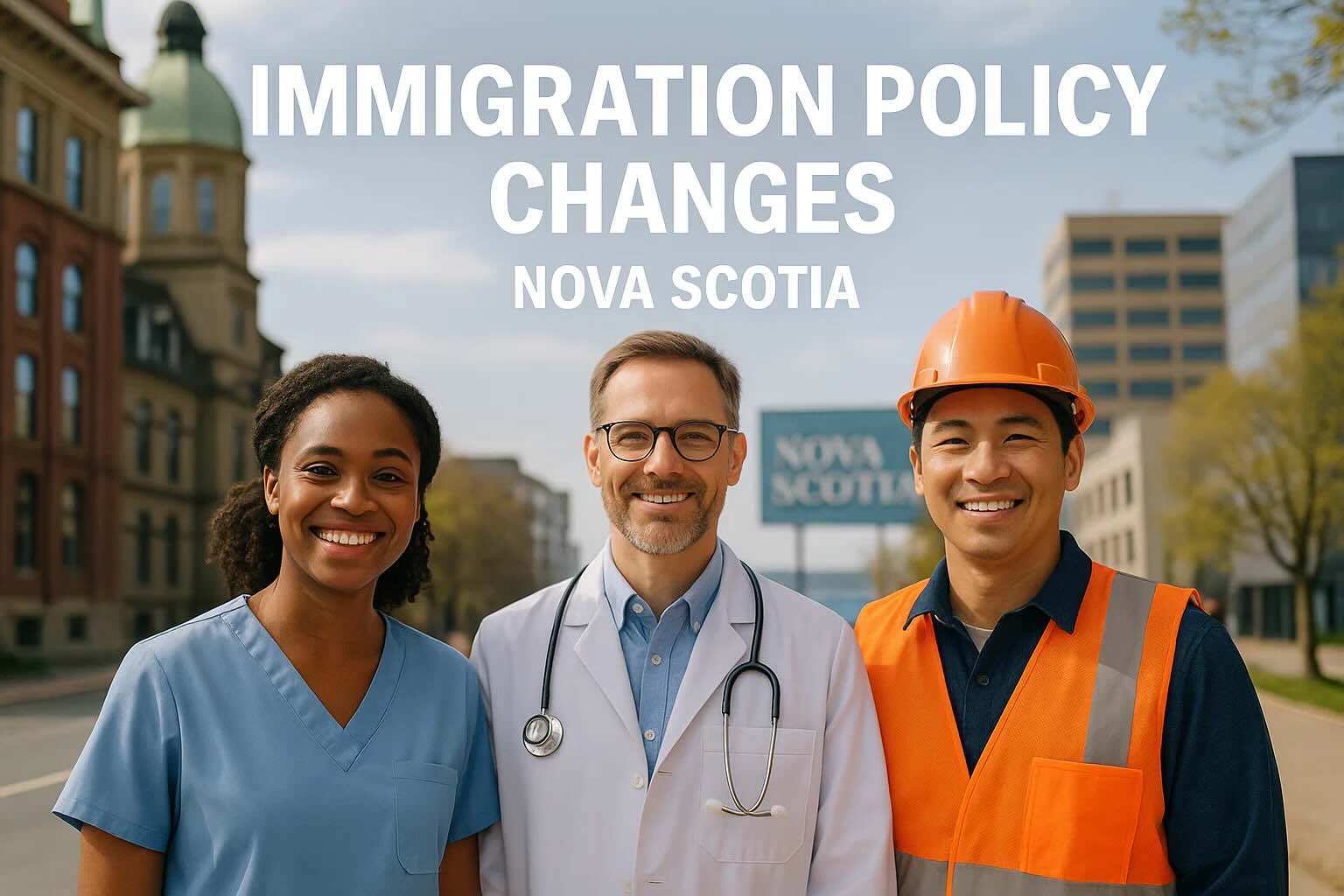
Nova Scotia Adjusts PNP Processing to Prioritize In-Province Applicants in Key Sectors
Nova Scotia's immigration authority issued an official notice on July 16, announcing an adjustment to its Provincial Nominee Program (NS PNP) application processing strategy. As the number of applications for 2025 has reached the annual allocation limit set by the federal government, the province has decided to shift its processing focus for the remainder of the year to applicants already working in the province whose work permits are set to expire in 2025, with a particular emphasis on professionals in the healthcare and construction sectors. This adjustment is a direct response to the federal government's reduced 2025 PNP allocation and will significantly impact various categories of applicants.
07/28/2025