
Canada Changes How Super Visa Income Requirements for Parents and Grandparents Are Calculated, with New Rules Taking Effect on March 31
The Canadian federal government announced in Ottawa on March 20, 2026, that it will change how income requirements are calculated for the Parents and Grandparents Super Visa starting March 31, 2026. The new policy, to be implemented by Immigration, Refugees and Citizenship Canada (IRCC), is intended to make it easier for more families to qualify while ensuring that family members receive adequate financial support during their stay in Canada. Under the updated rules, a host’s income will no longer be assessed based only on the tax year immediately preceding the application. Instead, hosts may qualify by meeting the requirement in either of the two preceding tax years. In addition, if the host and co-signer have already met the required minimum percentage of income, the income of the visiting parent or grandparent may also be used to make up the remaining amount. IRCC said that all applications already in processing as of March 31, 2026, as well as those submitted on or after that date, will be assessed under the new criteria.
03/21/2026

Five Immigration-Related Changes Took Effect Across Canada on January 1, 2026
As of January 1, 2026, several immigration and labour-market measures took effect across Canada. Graduate (master’s and PhD) students at public designated learning institutions (DLIs) no longer need a Provincial or Territorial Attestation Letter (PAL/TAL) for study permits and are no longer counted under the study permit cap, with PhD applicants eligible for expedited processing (as little as two weeks). The federal Start-Up Visa (SUV) program stopped accepting new applications at 11:59 p.m. on December 31, 2025, with a limited exception allowing applicants holding a designated organization commitment made in 2025 to apply until June 30, 2026; new SUV work permits are also no longer accepted, though current permit holders may be able to extend. Ontario introduced an “As of Right” framework enabling out-of-province credentialed professionals in regulated occupations to begin working in Ontario within 10 business days (for up to six months) after credential validation, and it implemented new job-posting rules prohibiting employers from requiring “Canadian work experience,” alongside additional disclosure measures such as whether AI is used in hiring. Alberta, meanwhile, tightened eligibility requirements for its AAIP Rural Renewal Stream, including stricter work-permit rules, residency requirements for lower-skilled occupations, caps on community endorsements, and a 12-month validity period for endorsement letters.
01/04/2026

Canada Suspends Entrepreneur Immigration Programs, Plans New Permanent Residence Pilot
Canada’s federal immigration department has announced major adjustments to its business immigration programs, including the suspension of new applications under the Start-up Visa Program and the continued pause of the Self-Employed Persons Program. The measures are intended to reduce application backlogs and prepare for a more targeted entrepreneur immigration pilot, details of which are expected to be released in 2026.
12/20/2025

Nova Scotia Overhauls Provincial Nominee and AIP Selection System with New EOI Model
On November 28, 2025, Nova Scotia announced a major shift in its immigration intake system, confirming that all submissions under the Nova Scotia Provincial Nominee Program (NSPNP) and the Atlantic Immigration Program (AIP) will now be processed through an Expression of Interest (EOI) model. Under the new rules, all submissions—regardless of submission date—are considered EOIs, and having a case ID or meeting eligibility criteria no longer guarantees file processing. The province will conduct periodic draws based on current labor market and economic priorities, with priority sectors such as healthcare, construction, trades, STEM, natural resources, and manufacturing. The shift aligns with broader trends driven by reduced provincial nomination allocations from IRCC. With increased immigration targets set for 2026, applicants may soon see improved chances of receiving selections.
12/03/2025

Overview of Canada’s Business Immigration Pathways: Federal and Provincial Options for Investors and Entrepreneurs
Canada offers multiple immigration pathways for individuals who wish to immigrate through entrepreneurship or business investment, including the federal Start-Up Visa (SUV), several federal work permit categories, provincial entrepreneur programs, and the Quebec Immigrant Investor Program. Each pathway carries distinct requirements related to investment amounts, business experience, language proficiency, and documentation. With frequent policy changes and complex due-diligence procedures, many applicants work with immigration lawyers or licensed consultants to select the right program, prepare documentation, and maintain compliance to improve approval outcomes and protect their investment.
12/01/2025

Canada Proposes Bill C-12 to Overhaul Immigration Processing, Potentially Affecting Start-Up Visa Applications
Immigration, Refugees and Citizenship Canada (IRCC) has introduced Bill C-12, aiming to modernize and strengthen the management of Canada’s immigration system while addressing long-standing backlogs. If passed, the bill would grant the Minister expanded authority to pause or terminate the processing of certain immigration categories. Analysts suggest that the Start-Up Visa (SUV) program — already facing significant application backlogs — could be among the most directly affected, particularly for applicants supported by designated business incubators that fail to comply with Ministerial Instructions (MI72).
10/23/2025
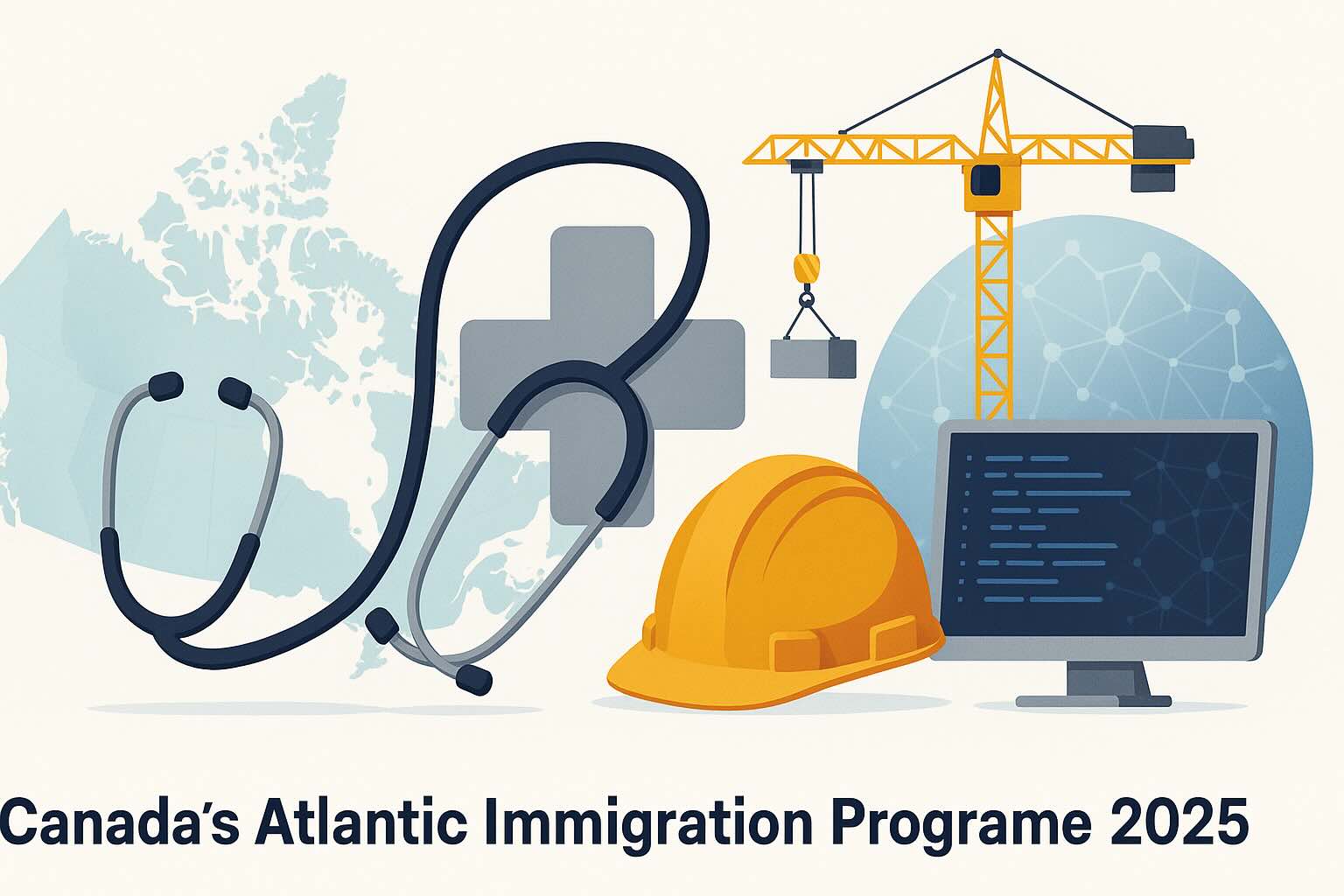
Canada's Atlantic Immigration Program: 2025 Updates See Provinces Prioritize Key Sectors and Occupations
In 2025, Canada's Atlantic Immigration Program (AIP) is entering a new strategic phase due to adjusted federal immigration allocations. To manage reduced quotas, the four Atlantic provinces are concentrating their resources on key sectors vital to their local economies. Healthcare, construction, and information technology have become focal points for attracting talent. This report provides an in-depth analysis of the latest priority sectors and occupations for each province, examines the alternative pathways available in New Brunswick following its AIP pause, and offers authoritative guidance for applicants planning to immigrate through this program in 2025.
08/21/2025

Super Visa: Canada's 'Fast Track' Alternative for Parent and Grandparent Reunification
For many families hoping to reunite with parents or grandparents in Canada, the limited lottery for the Parents and Grandparents Program (PGP) presents a significant hurdle. This article provides an in-depth analysis of Canada's Super Visa program, which serves as an attractive alternative by offering a long-term visitor visa with year-round applications. The report details the core differences between the Super Visa and the PGP, outlines eligibility criteria and application procedures, and offers professional strategies to address common reasons for refusal, helping applicants increase their chances of success.
08/17/2025

Success is in the Details: A Guide to Navigating Canada's PGP Application and Avoiding 5 Critical Pitfalls
Canada's Parents and Grandparents Program (PGP) is a vital pathway for many families to reunite. However, after receiving an Invitation to Apply (ITA), common mistakes in the application process can derail an applicant's efforts. This article provides a detailed analysis of the five most common application "pitfalls," including incomplete applications, replying to no-reply emails, inconsistent information, improper form signing, and omitting periods of unemployment. It also offers specific strategies to avoid them, aiming to help applicants increase their chances of success and smoothly complete what may be a once-in-a-lifetime sponsorship opportunity.
07/30/2025
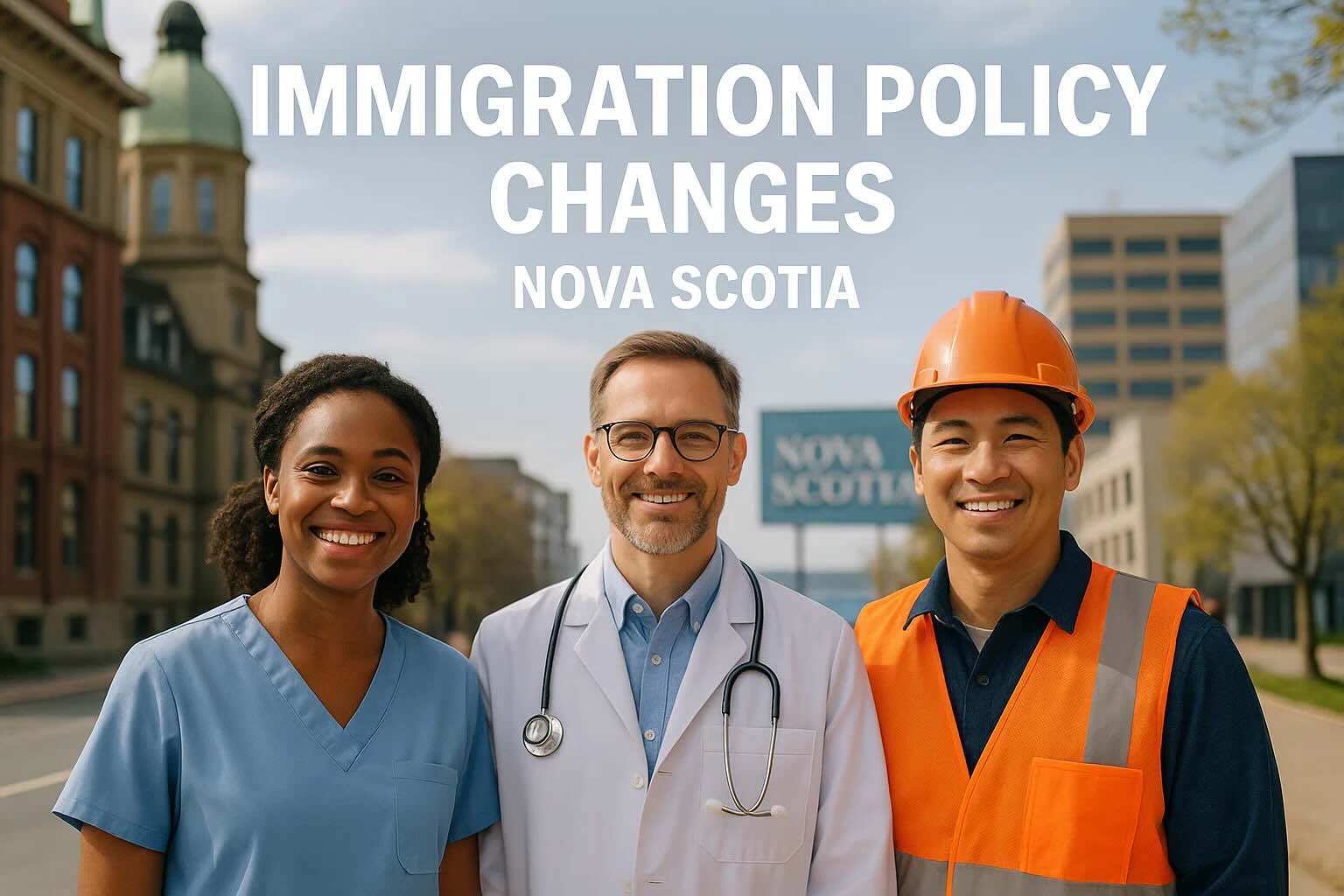
Nova Scotia Adjusts PNP Processing to Prioritize In-Province Applicants in Key Sectors
Nova Scotia's immigration authority issued an official notice on July 16, announcing an adjustment to its Provincial Nominee Program (NS PNP) application processing strategy. As the number of applications for 2025 has reached the annual allocation limit set by the federal government, the province has decided to shift its processing focus for the remainder of the year to applicants already working in the province whose work permits are set to expire in 2025, with a particular emphasis on professionals in the healthcare and construction sectors. This adjustment is a direct response to the federal government's reduced 2025 PNP allocation and will significantly impact various categories of applicants.
07/28/2025